

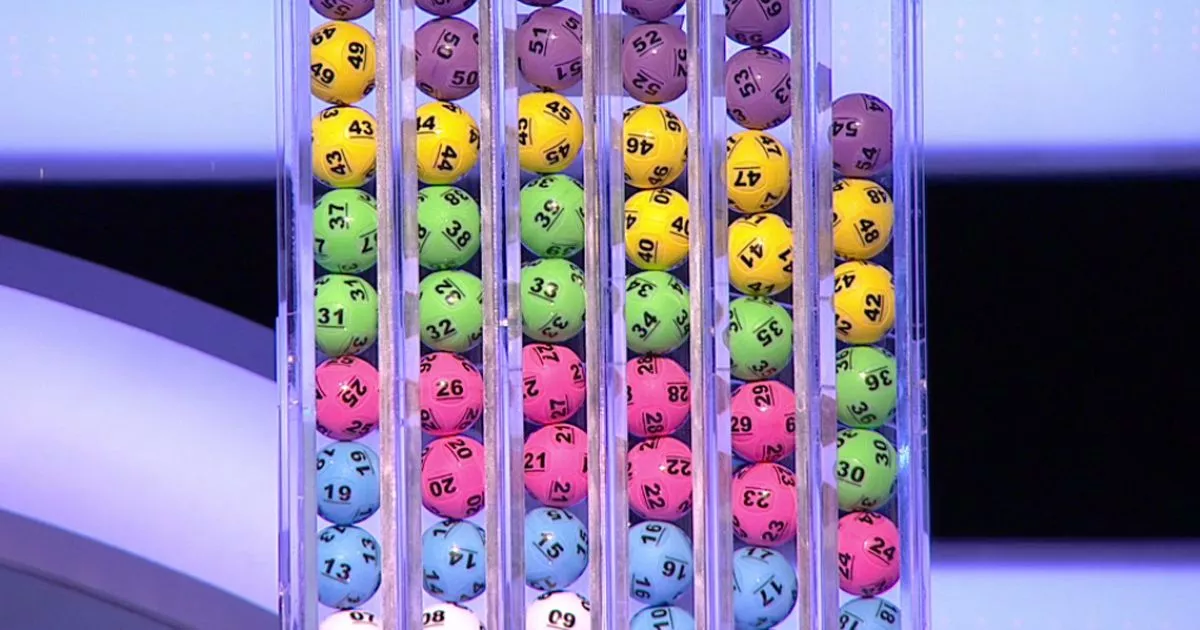
Introduction: The Irresistible Allure of Sudden Fortune
The word “lottery” evokes a dream so universal that it transcends borders, languages, and generations. With a single ticket and a few randomly drawn numbers, millions dare to imagine lives transformed—mortgages paid, debts erased, dreams fulfilled. For many, the lottery is more than a game of chance; it is a beacon of hope, a rare moment when the impossible feels within reach. Yet, beneath the glitter of jackpots and flashing billboards lies a deeper, more complex reality. The lottery is not merely a financial gamble—it is a cultural, psychological, and economic phenomenon that shapes the behavior of millions.
The History of the Lottery: From Ancient Origins to Modern Billions
Lotteries are not a modern invention. In fact, their roots stretch back to ancient civilizations. Records show that the Chinese Han Dynasty used lottery-style games as early as 205 BC to fund major projects, including the Great Wall of China. The Romans held raffles during feasts, offering prizes such as silverware or slaves. By the 15th century, Europe had begun formalizing lotteries as a means of funding civic infrastructure, cathedrals, and wartime expenditures.
In the United States, lotteries played a notable role in financing colonial projects and founding institutions like Harvard and Yale. Today, state-sponsored lotteries generate billions in revenue, often earmarked for public services such as education, healthcare, and veterans’ programs.
How the Lottery Works: Simplicity Meets Sophistication
While the concept is simple—buy a ticket, pick a set of numbers, and hope they match the drawn combination—the mechanisms behind lotteries are highly regulated and technologically advanced.
Key components of a standard lottery system include:
-
Random Number Generators or Mechanical Drawings: Ensuring fairness and transparency in the selection of winning numbers
-
Ticket Sales and Distribution Channels: From brick-and-mortar retailers to online platforms, accessibility is crucial to revenue
-
Payout Structures: Depending on the lottery, winnings can be distributed in lump sums or annuity payments over decades
-
Odds and Probability: Most lotteries have staggeringly low odds of winning the jackpot, often in the range of 1 in tens or hundreds of millions
Despite the astronomical odds, participation remains high, driven by a potent mix of fantasy, optimism, and cultural normalization.
The Psychology of Playing: Why We Buy into the Dream
What drives individuals to play the lottery despite the near impossibility of winning? The answer lies deep within human psychology. Behavioral economists point to several key factors:
-
Optimism Bias: The belief that we are more likely than others to experience positive outcomes, even when statistics suggest otherwise
-
Temporal Discounting: The tendency to value immediate gratification over long-term logic—buying hope now rather than investing it wisely elsewhere
-
The “Dollar and a Dream” Effect: A small investment creates a disproportionate amount of emotional payoff, making the lottery feel like a worthwhile bet
-
Social Proof: Seeing others win or frequently hearing about winners can create a false sense of attainability
The lottery is uniquely positioned to exploit these cognitive tendencies. It doesn’t just offer money—it sells a story, a fantasy, a fleeting moment when one’s entire life could pivot.
Winners and Losers: The Aftermath of Hitting the Jackpot
While winning the lottery is often portrayed as a fairytale ending, real-life outcomes can be more complicated. Numerous studies and anecdotal accounts reveal that sudden wealth, particularly when unaccompanied by financial education or support, can lead to unexpected challenges.
Common post-win pitfalls include:
-
Financial Mismanagement: Poor investments, lavish spending, and a lack of long-term planning can deplete fortunes rapidly
-
Social Strain: Relationships may become strained due to envy, entitlement, or conflicting expectations
-
Mental Health Issues: The stress of newfound wealth and public scrutiny can trigger anxiety, depression, or isolation
Conversely, many winners use their windfalls wisely—donating to charity, investing in businesses, or securing generational wealth. The outcomes vary widely, depending largely on preparation, mindset, and support systems.
The Social and Economic Impact: A Double-Edged Sword
Lotteries generate substantial revenue for governments and often support important public initiatives. However, critics argue that this revenue frequently comes from lower-income populations who spend disproportionately on tickets.
Debated impacts of lotteries include:
-
Regressive Spending Patterns: Lower-income households often spend a higher percentage of their earnings on lottery tickets
-
False Hope as Entertainment: For some, playing the lottery is less about winning and more about participating in a culturally embedded ritual of hope
-
Ethical Concerns: Advertising strategies sometimes target vulnerable populations, promoting false narratives of easy wealth
-
Educational Funding Myths: While many lotteries claim to support schools, some reports suggest the funding may not always supplement existing budgets, but merely replace them
Balancing the benefits of revenue with the moral obligation to protect the financially vulnerable is a complex challenge for policymakers.
The Digital Shift: Lotteries in the Internet Age
Technology has transformed how we engage with the lottery. Online platforms and mobile apps allow users to buy tickets, check results, and even automate entries—all from the comfort of home.
Emerging trends include:
-
Global Lotteries: Cross-border platforms allow users to participate in international draws
-
Cryptocurrency Prizes: Some modern lotteries offer Bitcoin and other digital assets as rewards
-
Gamified Experiences: Interactive platforms that mimic video games are appealing to younger audiences, blurring lines between gambling and entertainment
As the industry evolves, regulators must remain vigilant, ensuring accessibility does not compromise responsibility.
Conclusion: A Game Worth Playing?
The lottery will always occupy a unique space in the human imagination. It is the promise of instant wealth, the thrill of anticipation, the collective ritual of dreaming big. Yet it is also a high-stakes gamble, statistically stacked against the player, often offering little more than temporary hope.
For some, it’s a harmless indulgence; for others, a costly habit. The line between entertainment and exploitation remains thin. Understanding the realities behind the glittering promise is essential for making informed choices.
As long as there are dreams of better tomorrows, lotteries will continue to thrive. The challenge lies in ensuring those dreams are pursued with eyes wide open, and with a firm grip on the difference between fantasy and financial planning.